Can i put deodorant on my tattoo
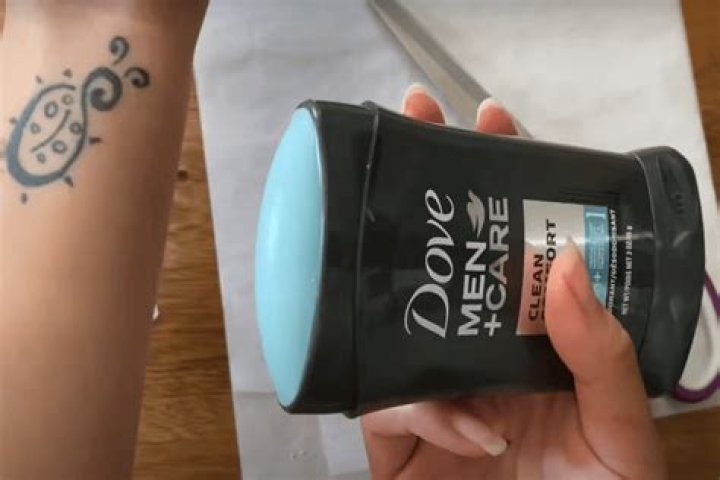
Can you use deodorant for tattoos?
Apply the roll-on Speed Stick brand (or generic equivalent) deodorant to the shaved area of skin. … Speed Stick is recommended because the ingredients in this particular type of deodorant trap the ink from the stencil in the skin’s pours, making it stay in place for the duration of the tattooing process.Can you use roll-on deodorant for tattoo stencil?
Apply the roll-on Speed Stick brand (or generic equivalent) deodorant to the shaved area of skin. Be sure to cover the entire area, so that all parts of the stencil drawing will come in contact with the deodorant.Is it bad to get a tattoo on your armpit?
The armpit is among the most painful places, if not the most painful place, to get tattooed. The pain you’ll experience getting tattooed here is very severe. In fact, most tattoo artists advise against people getting armpit tattoos.How long does it take for an armpit tattoo to heal?
How long does it take for a tattoo to heal? After getting a tattoo, the outer layer of skin (the part you can see) will typically heal within 2 to 3 weeks. While it may look and feel healed, and you may be tempted to slow down on the aftercare, it can take as long as 6 months for the skin below a tattoo to truly heal.What is Speed Stick deodorant ingredients?
Ingredients: Propylene Glycol, Water, Sodium Stearate, Fragrance, Sodium Chloride, Stearyl Alcohol, FD and C Blue 1, Ext.D and C Violet 2. To Use: Turn dial to raise product. Apply to underarms only.What can I use instead of green soap?
Green soap alternatives- hydrogen peroxide.
- sterilized water.
- alcohol mixed with a carrier oil.
Can you put deodorant on an armpit tattoo?
Taking care of an armpit tattoo does require a few special measures. While you should be putting Aquapohor or aftercare on it of some sort you MUST NOT put any kind of deodorant on there for about 2 weeks.Do armpit tattoos fade?
Armpit/inside of upper arm tattoos. “This is for the simple fact that you move your arm constantly, and the friction on the inside of the upper arm/armpit area can cause the ink to fade a little,” says Fredrik.Why are armpit tattoos so painful?
One of the reasons armpit tattoos hurt so much is because of the presence of the axillary nerve. The axillary nerve is the main nerve going up and down your arm and is connected to many nerve endings in your armpit, making your armpit sensitive to pain. … This is because your arm usually covers these nodes.How do you care for a tattoo?
Be sure your artist covers your new tattoo in a thin layer of petroleum jelly and a bandage. Remove the bandage after 24 hours. Gently wash the tattoo with antimicrobial soap and water and be sure to pat dry. Apply a layer of antibacterial/Vaseline ointment twice a day, but don’t put on another bandage.What are armpit hairs for?
Armpit hair prevents skin-to-skin contact when doing certain activities, such as running and walking. The same thing happens with pubic hair, as it reduces friction during relationship and other activities.How painful is an elbow tattoo?
Elbow Ditch/Outer Elbow – 8 out of 10This means that the area is extremely painful, and tattooing can cause numbness in the whole arm. When it comes to the outer elbow, there aren’t as many nerve problems, but this area is bony which can still create a lot of pain issues.
How long after tattoo can you shower?
So, Can you shower after getting a tattoo? If you are looking to shower without washing your tattoo, you can do it 3-4 hours after the artist has wrapped the tattoo. It’s important to avoid soaking the area for at least 2 weeks, and remove any soap immediately.How do you sleep with a fresh tattoo?
Many artists will recommend sleeping with your tattoo wrapped for the first few nights (up to 3-4). This protects it from bacteria, your sheets, and accidental picking or ripping of the scabs. Use only a good wrap developed specifically for tattoo healing, which should be breathable, anti-bacterial, and waterproof.How do I keep my tattoo from fading?
Tips for long-term tattoo aftercare- Keep it clean. Wash your skin daily with a gentle, fragrance-free soap.
- Stay hydrated. Drink plenty of water to keep your skin moisturized.
- Watch what you wear. Wear SPF clothing so the sun won’t fade your tattoo. …
- Avoid excess weight gain or loss.
When should I start moisturizing my tattoo?
You should start moisturizing your tattoo as soon as it starts to dry — not before. This can generally take about 1–3 days after you got your tattoo. Be sure to wash and dry your tattoo with antibacterial soap and choose the appropriate moisturizer as well.When can I take my tattoo wrap off?
Remove the bandage after 3-12 hours. For example, if you get tattooed early in the day, leave the bandage on until the evening, but if you get tattooed at night and go to bed soon after, it’s ok to leave the initial bandage on until the morning.Can I put Vaseline on my tattoo?
Vaseline isn’t the best choice for tattoo aftercare. Petroleum jelly traps moisture and bacteria, which can lead to infections and scarring if your tattoo doesn’t get enough air while it’s healing. You may be able to use Vaseline on old tattoos if your skin is dry.Can you over lotion a tattoo?
Can You Over Moisturize a Tattoo? Yes, in fact it’s common belief that the more you moisturize your tattoo, the better. But the truth is, that over moisturizing leads to clogged pores and breakouts in your skin.What happens if you don’t moisturize your tattoo?
Without moisturiser, there’s a risk that healing skin will get very dry, tight and itchy, and itchy skin that you can’t scratch – that in fact you shouldn’t touch at all – is not much fun! If you do itch then you risk damaging the new tattoo.How do I keep my tattoo vibrant?
How to Make Your Tattoo More Vibrant- Keep It Clean. This is the first commandment of tattoo aftercare. …
- Keep it Moisturized. Keeping your tattoo moisturized with Mad Rabbit Tattoo Balm will keep it perfect, vibrant and bright. …
- Follow Aftercare Instructions.