business /
How much does a cartilage piercing cost
How much does a cartilage piercing hurt?
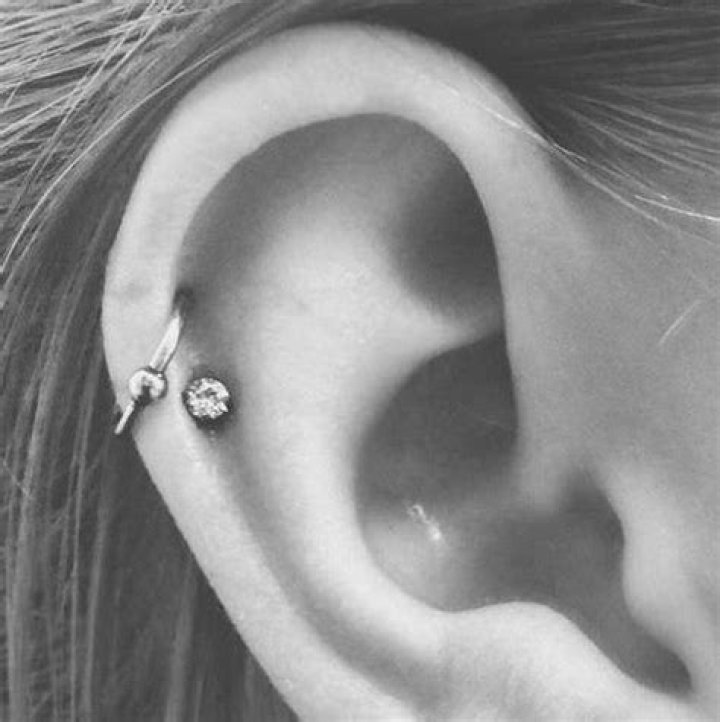
Compared to other body piercings, cartilage piercings don’t hurt too much. However, cartilage is thick and tough tissue so there will be some pain and discomfort. It’s also worth remembering that everybody is different, and while it may hurt a lot for some, it may not hurt so much for you.How much is an average cartilage piercing?
You can expect to pay around $35 – $50 for most cartilage piercings. While some studios might charge more depending on the piercing, most of the the time they charge around the same price for their cartilage piercings.How much does 2 cartilage piercings cost?
In most cases, you can expect to pay about $20 to $55 per piercing, or $40 to $100 or so in total.How long does a cartilage piercing hurt?
It is normal for your ear to hurt immediately after getting a cartilage piercing, pain that commonly lasts for two weeks to a month. Be careful to not sleep on the side that was pierced: Doing so will cause healing complications and unnecessary discomfort. What can I do for the pain?What is the most painful spot to get a piercing?
Piercing pain scale- Genital piercing. Your genitals are among the most nerve-dense areas on your body. …
- Nipple piercing pain level. The nipple is another commonly pierced area that’s pretty sensitive. …
- Nose piercing pain level. …
- Dermal piercing pain.
Can you become paralyzed from a cartilage piercing?
It is a common myth that if a piercing is not done in the exact correct place that you will become paralyzed. This simply is not true! This myth originated because of a single case where after having her ears pierced, 15 year old Grace Etherington became paralyzed.Do cartilage piercings bleed?
A well-done cartilage piercing will be slightly sore to the touch. It will likely itch and ooze clear or white-yellow fluid that crusts on your jewelry. You may also notice minor bleeding and bruising or redness around the piercing. These are normal and will go away as the cartilage piercing heals.Can you shower with a new cartilage piercing?
No, we’re not suggesting to avoid the shower! In fact, good general hygiene is integral to a happy and healthy healing process. For our short-haired friends, showering won’t pose much of an issue – just be sure to keep your fingers away from your cartilage piercing while you’re lathering up your head.What age should you get a cartilage piercing?
Goode suggests waiting until at least age 10 for a second earlobe piercing; 13 for a cartilage piercing; age 14 for nostrils, lips and navels; age 15 for a tragus; and 17 or 18 for an industrial piercing.Should I leave the crust on my piercing?
Due to the type of puncture wound a piercing is, it’s important to remove the crust that develops around your earring or on the outside of your piercing. This is because air needs to hit the punctured tissue to properly heal your piercing.Which piercing helps with anxiety?
A daith piercing is located in the innermost fold of your ear. Some people believe that this piercing can help ease anxiety-related migraines and other symptoms.What happens if you pop a piercing bump?
With the help of a medical professional, you can have it safely removed. Remember: This is not a pimple, so please don’t pop it like one. Since it’s not actually acne, there’s nothing to squeeze out of the bump. In fact, doing so could potentially cause an infection, which is much worse than some overgrown scar tissue.Should I twist my ear piercing?
Also, never twist the bar in the ear while the piercing is healing, just let it do its thing. And if you’re finding it tricky not to sleep on the pierced side, use a travel pillow!When can I stop cleaning my ear piercing?
While some people have been able to stop regular cleanings after four weeks, it’s safest to go for a full 8 weeks before you stop your twice-daily cleanings. This gives your new piercings plenty of time to heal properly and decreases the chance of painful infections.Why do pierced ears bleed?
An infected ear piercing may be red, swollen, sore, warm, itchy or tender. Sometimes the piercing oozes blood or white, yellow or greenish pus. A new piercing is an open wound that can take several weeks to fully heal. During that time, any bacteria (germs) that enter the wound can lead to infection.Is gunshot ear piercing safe?
A professional body piercer has access to many styles of initial jewelry that won’t inhibit comfort or the healing process. … Piercing guns should never be used to pierce any area of the body except an earlobe. Do not use them on the harder cartilage of the ear. Ear cartilage can be shattered by guns.What Cannot eat after ear piercing?
Don’t eat spicy, salty or acidy foods or liquids while you are healing. Avoid hot drinks such as hot chocolate, coffee, and tea. Eat cold foods and drinks as they lessen swelling. Be extra careful when eating crunchy foods.What can go wrong with a cartilage piercing?
It can result in permanent loss of ear cartilage and a poor cosmetic outcome. Other medical complications from high ear piercing/ear cartilage piercing include: allergic reactions to earrings, scarring and pull-through tears of the ear, and two medical conditions called pyogenic granuloma and keloid formation.Does a needle hurt more than a gun?
Getting Pierced with a NeedleThe process of using a needle to do a piercing in an area of the body other than the ear lobe is much safer, and our customers say, less painful than using a piercing gun. … Yet when the two methods are directly compared, needles are far safer, and less painful for body piercings.